

By Straight Line Painting & Remodeling Editorial Team · Updated 2026-08-19
Basement drywall finishing requires moisture-resistant panels like PURPLE XP or PermaB
Basement finishing drywall waterproofing requires sealing walls before framing, using crack injection, French drains, or exterior membrane systems to stop moisture at its source. Mold-resistant materials, including PVC panels, protect against future leaks. Southeast Wisconsin homeowners avoid costly teardown of flooring. Drywall by waterproofing first, then finishing with proper moisture barriers throughout the space.
Key Takeaways
- Waterproof the basement before drywall goes up—sealants, crack injection, French drains, or exterior membrane systems must stop moisture at its source first.
- Use mold-resistant materials like PURPLE XP, PermaBase, or PVC panels instead of standard paper-faced drywall to withstand below-grade moisture.
- Follow the correct sequence: diagnose the moisture source, apply sealants or crack injection, install drainage or membrane systems, then frame and finish walls.
- Hire a contractor with both waterproofing and drywall/carpentry experience so the project moves from framing through paint without gaps in accountability.
- Request a free estimate before demolition begins to align waterproofing and finishing plans and avoid costly surprises.
- Skipping moisture control or choosing the wrong materials are the two biggest mistakes that turn a finished basement into a demolition project.
What must you check before finishing a basement?
Moisture control tops the checklist before any drywall goes up. Homeowners in Southeast Wisconsin face a real financial risk here: a basement remodel often runs into the tens of thousands of dollars, and a single undetected leak can wreck that entire investment. Skipping this step turns a finished space into a costly repair project within a season or two.
Property value matters just as much as protection. Custom remodeling work should strengthen functionality, refresh style, and raise overall property value. But none of that happens without a solid plan built on a dry, stable foundation first.
Does the contractor need drywall and carpentry experience?
Yes. A comprehensive basement finishing guide depends on a team that handles more than paint. A contractor’s skill set covering drywall and carpentry allows for a full approach, from framing walls to installing how to finish basement drywall correctly around moisture-prone areas.
Before hiring anyone, homeowners should confirm the following:
- Evidence of completed basement waterproofing steps, not just a promise to address leaks later
- Carpentry and framing experience specific to below-grade spaces
- A clear plan for drywall materials suited to a basement environment
- Realistic timelines and transparent communication throughout the project
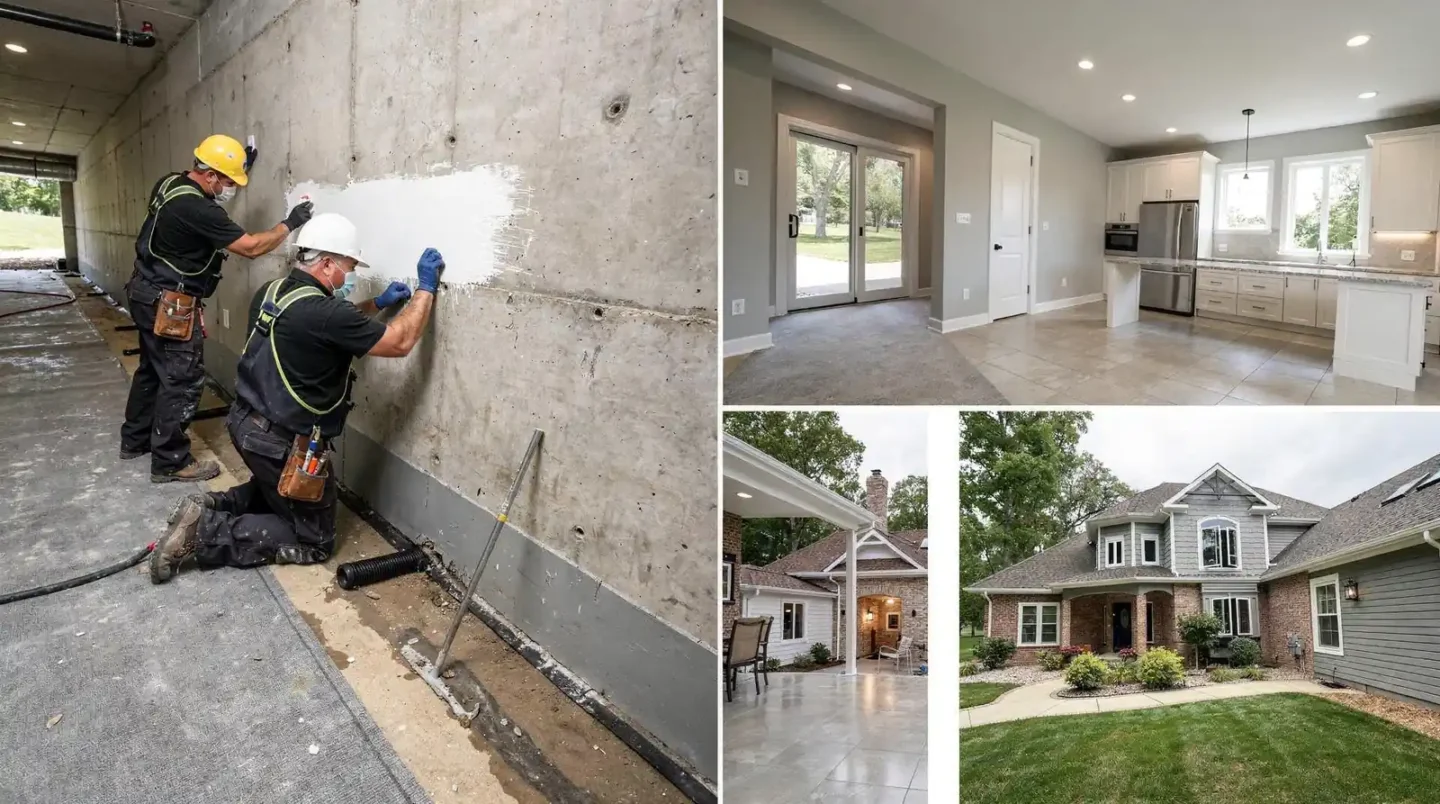
What are the basement waterproofing steps and drywall install order?
Correct sequence matters more than speed. Moisture diagnosis comes first, structural drying methods come second, and drywall goes up only after walls prove dry. Skipping ahead invites the exact water damage a basement finishing guide is meant to prevent.
The basement waterproofing steps follow a logical order:
- Identify the moisture source — condensation, groundwater seepage, or a foundation crack behaves differently and demands a different fix.
- Apply sealants to minor cracks and porous walls.
- Use crack injection for structural fractures that sealant alone won’t close.
- Install drainage systems, such as French drains, where water volume is heavier.
- Add exterior membrane systems for below-grade walls facing persistent hydrostatic pressure.
- Finish walls with mold-resistant materials, like PVC panels, that hold up if moisture returns.
Only after that sequence should framing and drywall begin.
How to finish basement drywall without inviting future water damage?
Finishing basement drywall properly means treating the waterproofing work as the foundation of the finish, not an afterthought. Mold-resistant board or panel systems go up over confirmed-dry walls, framing gets checked for square, and joints get taped and finished with the same precision applied to any interior painting project. Rushing this stage undermines everything completed beforehand.
Who handles both waterproofing prep and the finish work?
Homeowners rarely want three separate contractors managing one basement. As a full-service residential and commercial contractor, Straight Line’s crew carries projects from framing through drywall and paint without handing off midstream. Finished drywall work appears in a dedicated project gallery category, so homeowners can review real basement examples before committing. When a step like exterior membrane excavation falls outside that scope, the team draws on a trusted network of professionals rather than leaving clients to search alone.
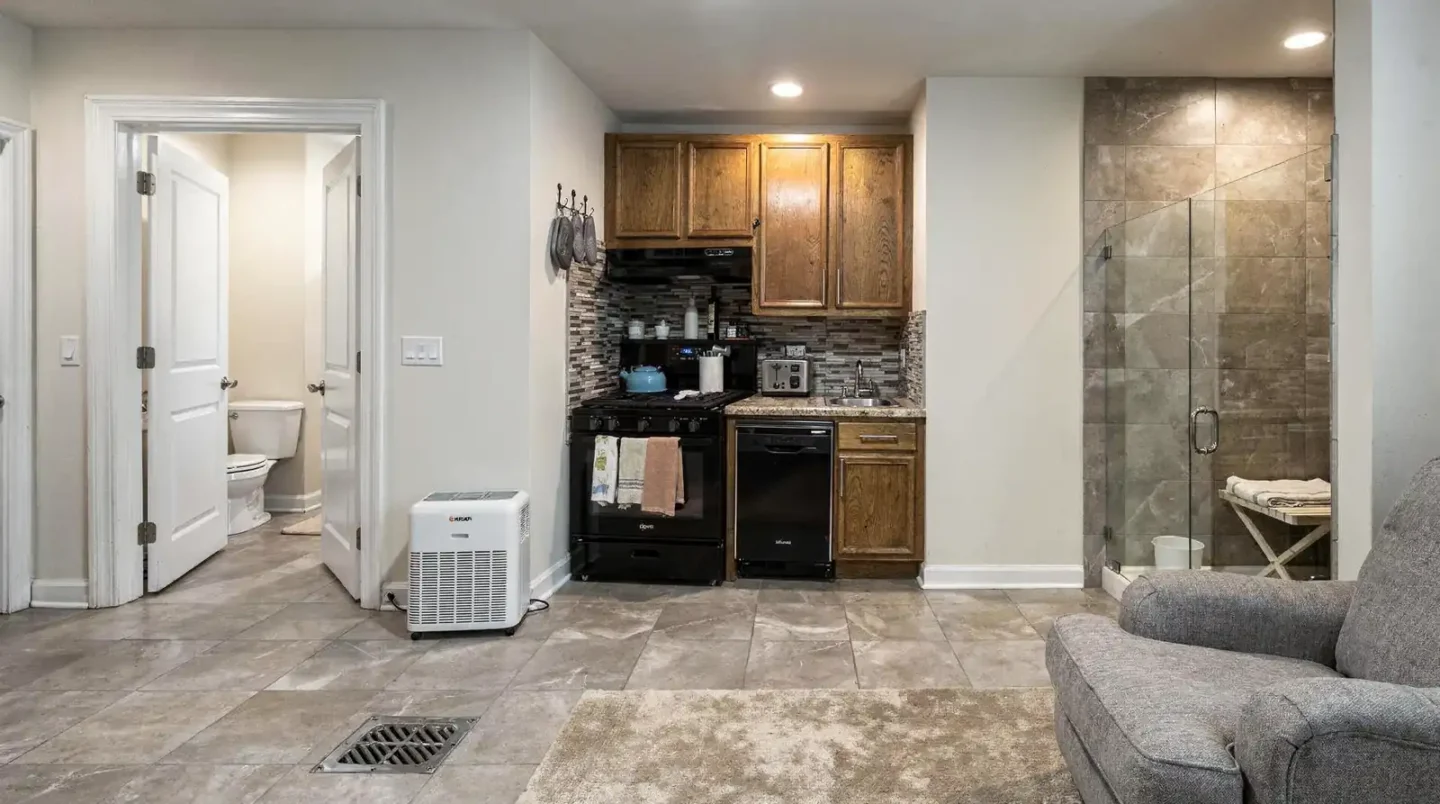
Which mistakes ruin a finished basement, and how do you avoid them?
Moisture control tops the list of costly missteps, followed closely by rushed material choices. A finished basement can significantly enhance the value of a Southeast Wisconsin home, but skipping proper moisture control or picking the wrong panels turns that opportunity into an expensive repair bill. A single overlooked error, whether it’s ignoring a damp wall or installing paper-faced drywall in a moisture-prone space, can convert a planned family retreat into a demolition project.
What steps prevent these costly errors?
Prerequisites matter before any framing or drywall goes up. Homeowners should follow this order:
- Diagnose moisture sources and address them first.
- Request a free estimate before demolition begins, so waterproofing and drywall planning align from day one.
- Select mold-resistant materials suited to below-grade conditions.
- Schedule work with a team that understands local soil and groundwater patterns.
Clients throughout Waukesha, Milwaukee, and surrounding Southeast Wisconsin counties benefit from working with a local crew familiar with regional basement moisture challenges, reducing the risk of repeat failures.
Conclusion
In closing, a well-executed basement finishing project demands equal attention to drywall installation and waterproofing—each element reinforces the other to create a durable, livable space. By selecting quality materials, addressing moisture at its source, and maintaining meticulous installation standards, you establish a foundation that protects your investment for years to come. The precision required in this work reflects the craftsmanship that transforms a basement from overlooked utility into a finished room your family will genuinely enjoy.
Frequently Asked Questions
Should a basement be waterproofed before or after drywall goes up?
Waterproofing always comes first. Moisture sources need to be identified and addressed—through sealants, crack injection, French drains, or exterior membrane systems—before any framing or drywall installation begins. Finishing over a wall that hasn’t been confirmed dry invites the same water damage a proper basement finishing plan is meant to prevent.
What type of drywall should be used in a basement?
Moisture-resistant panels are essential in a below-grade space. Products like PURPLE XP or PermaBase, along with mold-resistant PVC panel systems, hold up against dampness far better than standard paper-faced drywall, which can develop mold if moisture returns after the finish work is complete.
How much does it cost to finish a basement in Southeast Wisconsin?
Cost depends on the basement’s size, existing moisture conditions, and the scope of framing and drywall work needed. Because a basement remodel can run into the tens of thousands of dollars, requesting a free estimate before demolition begins helps homeowners align waterproofing and finishing plans from day one and avoid surprise expenses.
Can one contractor handle both basement waterproofing and the finish work?
Yes. A full-service residential and commercial contractor can carry a basement project from framing through drywall and paint without handing it off between separate crews. For specialized work like exterior membrane excavation that falls outside that scope, an established contractor typically draws on a trusted network of professionals rather than leaving homeowners to coordinate it themselves.
What are the most common mistakes that ruin a finished basement?
Skipping proper moisture control and choosing the wrong materials are the two biggest culprits. Installing paper-faced drywall in a damp space, ignoring a wall that’s still holding moisture, or rushing framing before waterproofing is confirmed can turn a planned family space into a costly demolition project within a season or two.