
By Straight Line Painting & Remodeling Editorial Team · Updated 2026-08-19
Industrial and warehouse floor coatings, including epoxy and polyaspartic systems, protect concrete from chemical spills, heavy equipment traffic, and daily wear while extending floor life and reducing maintenance costs. Epoxy coatings range from 4 to 30 mils thick, offering strong adhesion and durability. Straight Line Painting & Remodeling evaluates facility conditions across Southeast Wisconsin to recommend coating systems matched to operational demands and traffic patterns.
Key Takeaways
- Warehouse and loading dock floors fail fast under forklift and pallet jack traffic, leading to dusting, spalling, cracking, and potholes if concrete is left unprotected.
- Epoxy coatings range from 4 to 30 mils thick and are prized for strong adhesion and durability, while polyaspartic systems cure faster to minimize facility downtime.
- Waiting to repair damaged concrete typically costs far more than installing a proactive coating system, with neglected floors sometimes requiring tens of thousands of dollars in repairs.
- The right coating system depends on traffic load, chemical or moisture exposure, desired lifespan, and slip resistance needs specific to each facility.
- Choosing a contractor should start with verifying licensing and insurance, then confirming commercial and industrial-scale experience and a track record in dedicated flooring work.
- Straight Line Painting & Remodeling offers free estimates and connects clients with specialized partners when a project needs work beyond its direct expertise.
Why Do Warehouse Floors Fail So Fast?
Constant material-handling traffic wears down warehouse concrete faster than most facility directors expect. Loading dock floors endure some of the toughest operating conditions in any commercial building. Bare concrete simply was not engineered for that punishment. Dusting, cracking at joints, and slow structural breakdown follow soon after the forklifts start rolling.
What Causes Potholes and Spalling on Warehouse Floors?
Hard rubber and polyurethane wheels from forklifts and pallet jacks pound the same paths thousands of times a week. That repetitive impact fractures the surface, producing spalls, potholes, and low spots where water and debris collect. Left unaddressed, those low spots widen and deepen, turning a minor surface flaw into a structural liability.
Why Does Waiting to Repair Concrete Cost So Much More?
Deferred maintenance rarely stays cheap. A neglected warehouse floor can require repairs running into the tens of thousands of dollars. A bill that dwarfs the cost of a proactive coating system installed before damage sets in.
Facility teams considering an industrial coatings guide for their property should treat traffic patterns as the starting point, not an afterthought. The right warehouse floor coatings absorb the impact bare concrete cannot withstand, while well-specified industrial paint systems protect against:
- Surface dusting and abrasion
- Spalling and cracking at control joints
- Potholes and uneven load-bearing surfaces
Every one of those failure points traces back to the same source: unprotected concrete meeting relentless mechanical stress.
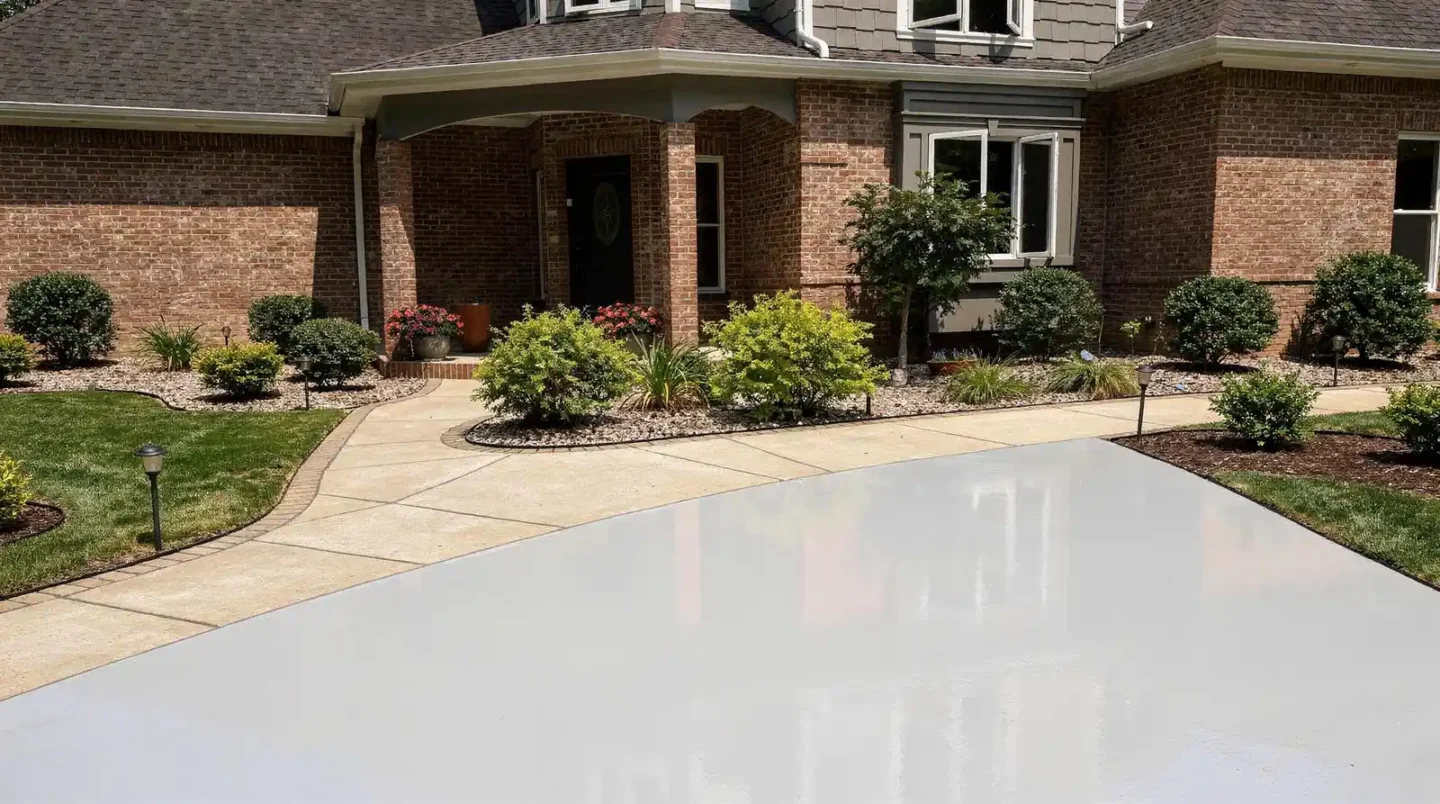
Which Industrial Paint System Fits Your Facility?
Facility type determines the right coating strategy more than any other factor. A distribution center with forklift traffic demands different armor than a showroom lobby or a loading dock exposed to Wisconsin winters. Epoxy remains one of the most trusted resins in industrial flooring today, prized for its durability and its strong adhesive bond to concrete substrates. That heritage matters when a facility director is weighing options for a warehouse floor that can’t afford downtime.
What makes a coating system suited to warehouse conditions?
Heavy equipment traffic, chemical spills, and constant foot traffic all stress a floor differently. A sound industrial coatings guide treats each of these stressors as a separate design variable, not a single checkbox. Straight Line applies the same precision and care to every job, whether it’s one room or an entire commercial property, and that discipline carries directly into demanding facility environments.
Selecting the right approach involves weighing:
- Traffic load and equipment type
- Chemical or moisture exposure
- Desired lifespan and maintenance schedule
- Slip resistance and safety requirements
Commercial exterior painting solutions from Straight Line are built to withstand heavy environmental exposure. The same durability threshold facility managers expect from warehouse floor coatings and broader industrial paint systems. Quality workmanship remains the standard behind every project the company undertakes, indoors or out.
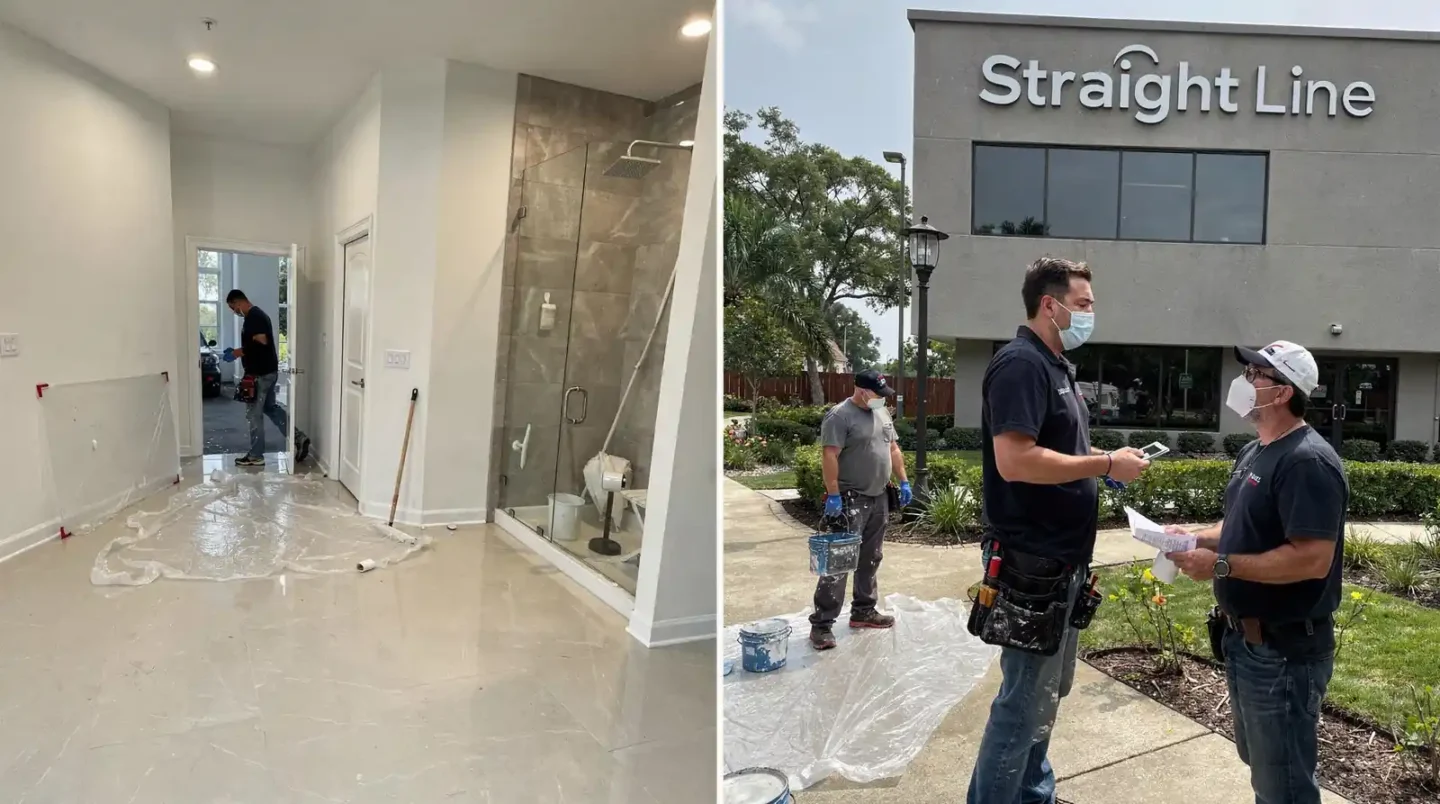
How Do You Choose A Warehouse Floor Coatings Contractor?
Credentials settle the question first. A contractor’s licensing and insurance status determines whether facility directors carry real protection when heavy equipment, chemical exposure, or scheduling delays put a project at risk. Straight Line Painting & Remodeling operates fully licensed and insured, which gives commercial property owners accountability on every job, not just a handshake promise.
Budget planning matters just as much. Straight Line provides free estimates, so operations managers can weigh coating options against capital plans before a dollar changes hands. That upfront clarity separates a well-scoped project from a costly midstream surprise.
Does the contractor understand commercial and industrial-scale work?
Scale experience separates a painting crew from a true partner for warehouse floor coatings. As a full-service painting company, Straight Line serves both residential and commercial clients, including facility and property owners managing large square footage. No job is dismissed as too big or too small.
What happens if a project needs specialized flooring work?
Coverage gaps get closed through partnership. When a scope item falls outside the team’s direct expertise, Straight Line connects clients with a trusted network of specialized professionals. Facility managers should also review a contractor’s project history for dedicated flooring work, distinct from standard wall painting. That dedicated experience signals genuine familiarity with industrial paint systems and the demands of high-traffic industrial floors. This kind of documented, hands-on track record forms the backbone of any dependable industrial coatings guide for evaluating contractors.
Conclusion
In closing, selecting the right industrial and warehouse floor coating demands careful consideration of your facility’s specific demands, environmental conditions, and long-term durability requirements. The investment in quality surface protection pays dividends through reduced maintenance, enhanced safety, and extended floor longevity. By understanding the characteristics and applications of available coating systems, you position your operation for reliable performance and lasting protection that withstands the rigors of industrial use.
Frequently Asked Questions
How thick should an epoxy floor coating be for a warehouse?
Epoxy coatings for industrial and warehouse floors typically range from 4 to 30 mils thick, depending on traffic load, equipment type, and chemical exposure. Facilities with heavy forklift traffic or chemical spill risk generally call for coatings at the higher end of that range to hold up under repeated mechanical stress.
What is the difference between epoxy and polyaspartic warehouse floor coatings?
Epoxy systems are prized for strong adhesion to concrete and long-standing durability, making them a trusted choice across industrial flooring. Polyaspartic coatings cure faster and are often selected when a facility needs to minimize downtime. The right choice depends on traffic patterns, chemical exposure, and how quickly the space needs to return to service.
Why do warehouse floors develop potholes and cracking?
Forklift and pallet jack wheels repeatedly pound the same paths, fracturing bare concrete that was never engineered for that level of punishment. Over time this produces spalls, potholes, and low spots that collect water and debris, turning a minor surface flaw into a structural problem if left unaddressed.
Is it cheaper to repair a warehouse floor now or wait?
Waiting rarely pays off. A neglected warehouse floor can require repairs running into the tens of thousands of dollars, far exceeding the cost of installing a proactive coating system before damage sets in. Addressing traffic patterns and wear points early protects both the floor and the budget.
What should facility managers look for in a warehouse floor coatings contractor?
Licensing and insurance come first, since they determine whether a facility carries real protection if equipment, chemical exposure, or delays put a project at risk. Beyond credentials, look for a contractor with documented commercial and industrial-scale experience, free estimates for budget planning, and a track record in dedicated flooring work rather than standard wall painting alone.